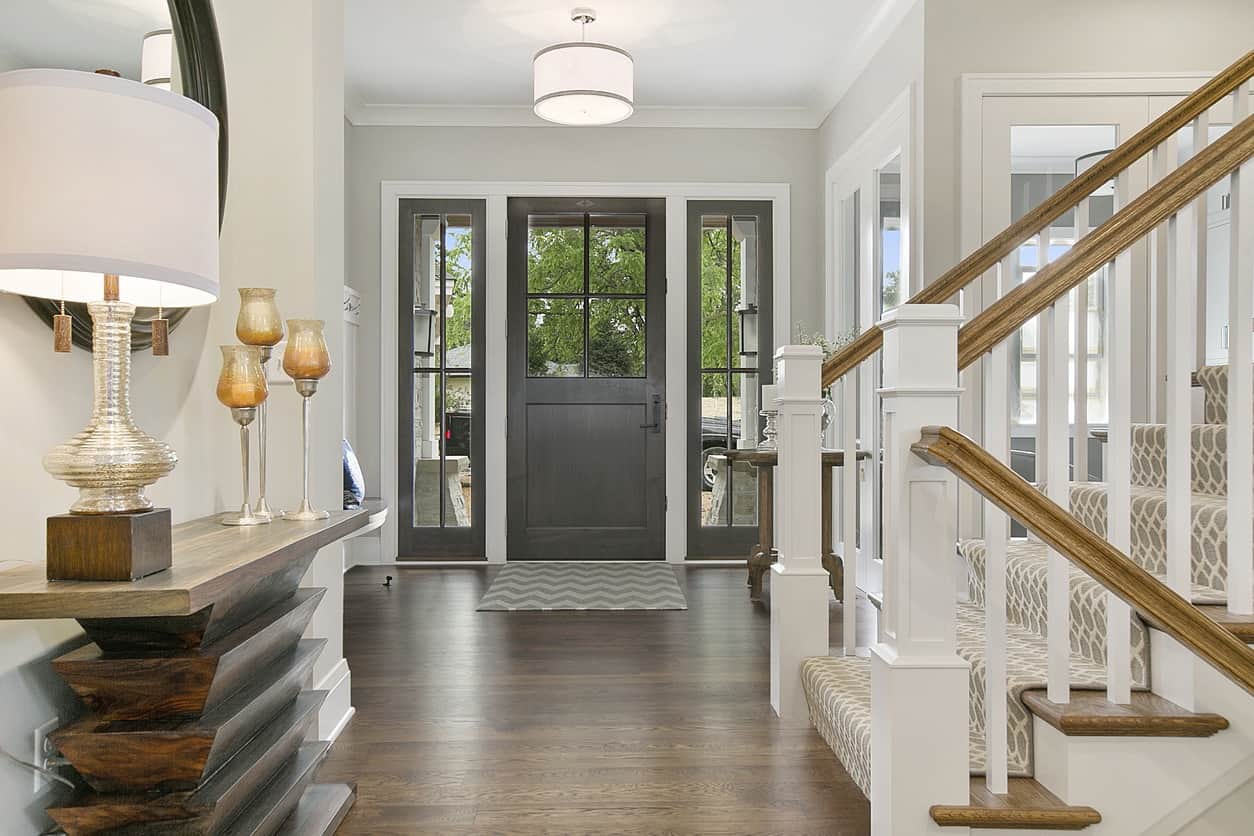
You can spend weeks choosing a paint color and still feel let down when it goes on the wall. When I walk a home for interior painting in Thousand Oaks, sheen is part of the color talk for every room. The satin vs semi gloss choice, plus where eggshell fits, decides how much a wall shines, how well it hides flaws, and how easy it is to wipe clean. This post breaks down which finish I use in each room of an interior house painting project, and why.
Why Picking a Sheen Feels Harder Than It Should
Walk into a paint store and many sample cards look almost the same. That is not your eyes. Paint makers do not all use the same name for the same shine.
MPI, a trade group that writes paint specs for pros, measures sheen with a meter in gloss units. Its ranges put eggshell at 10 to 25 units, satin at 20 to 35, and semi-gloss at 35 to 70. Eggshell and satin overlap. So a satin from one brand can look like an eggshell from another.
That gap makes the choice feel risky. You live with a sheen for years, but you only see it on your own wall after the work is done. It is fair to feel unsure about a decision like that.
Picking paint should not feel like a test. You deserve plain facts before anyone opens a can. That is what the rest of this post is for.
Satin vs Semi Gloss vs Eggshell: How They Compare
Here is how the three finishes stack up on the things homeowners ask me about most. Use it to narrow your choice, then test on your own wall.
| Finish | Gloss units (MPI) | Hides wall flaws | Wipes clean | Where I use it |
|---|---|---|---|---|
| Eggshell | 10 to 25 | Good | Fair | Living rooms, bedrooms, dining rooms |
| Satin | 20 to 35 | Fair | Good | Kitchens, bathrooms, hallways, kids’ rooms |
| Semi-gloss | 35 to 70 | Low | Very good | Trim, doors, cabinets |
Read the table left to right and a pattern shows up. As shine goes up, a surface gets easier to clean and harder to keep looking smooth. No finish wins both, so the room decides.
Eggshell vs Satin for Living Spaces
For most living rooms, bedrooms, and dining rooms, I lean toward eggshell. It has a soft glow without a shiny look. Light hits it gently, so small dents and old patch lines stay quiet.
Satin makes more sense when hands, pets, or bags hit the walls every day. Think kids’ rooms, busy family rooms, or hallways where backpacks land. Satin handles more wiping before it looks worn.
The eggshell vs satin choice comes down to one question: do people touch these walls every day? If yes, go satin. If no, eggshell usually looks better. For more on busy spaces, I wrote a full post on the best paint finish for high-traffic areas.
Where Semi-Gloss Earns Its Place
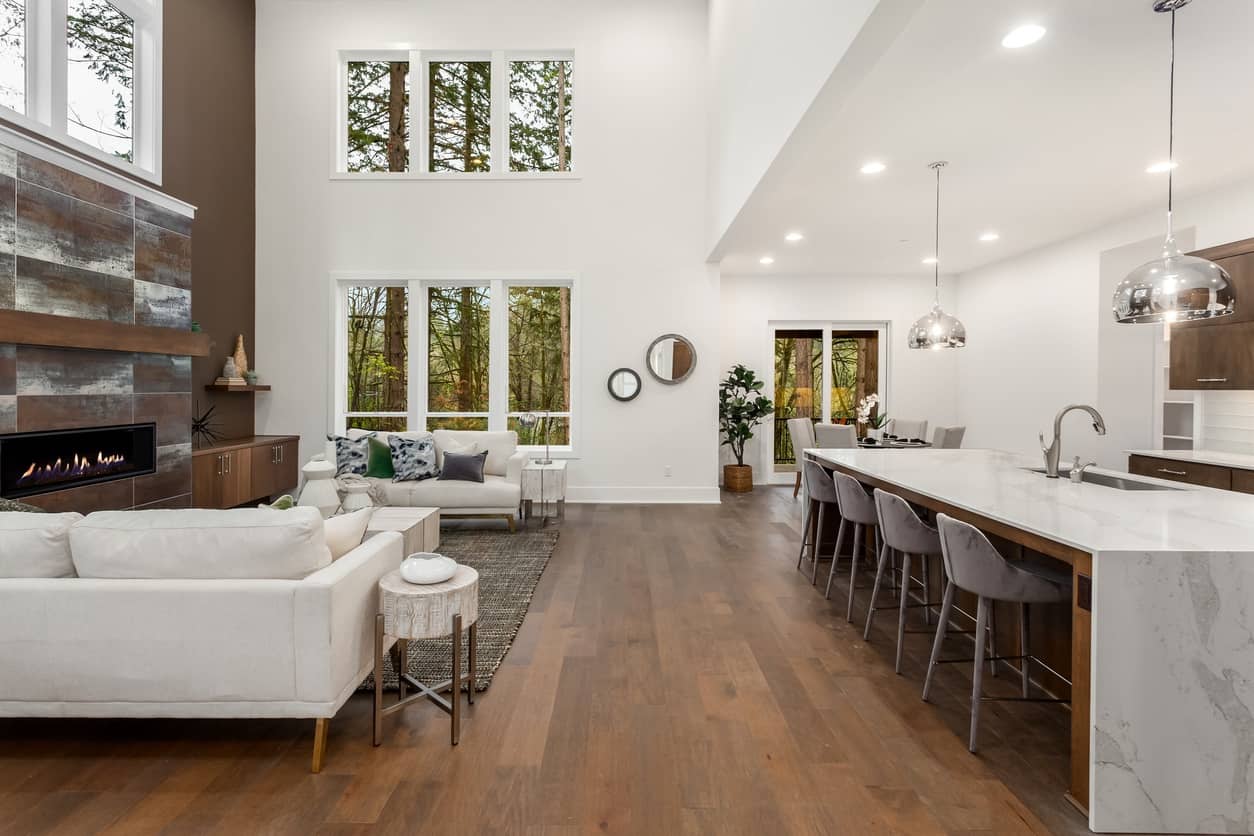
Trim, baseboards, doors, and door frames take a day of shoes, vacuums, and hands. Most of that trim is wood or MDF. A harder, slicker finish lets you wipe off scuffs without rubbing through the paint.
Cabinets need the same toughness. On cabinet painting jobs, I spray Sherwin-Williams Emerald or Dunn-Edwards Decoglo for a smooth, durable finish.
I rarely put semi-gloss on full walls. In the eggshell vs semi gloss debate for walls, eggshell wins for me because semi-gloss shows every roller mark, patch, and drywall seam. That is why sheen is part of every interior house painting estimate I write, not an afterthought.
Satin vs Semi Gloss in Bathrooms and Kitchens
Many people choose semi-gloss for a bathroom because they think the shine keeps mold away. It does not. Sheen makes a wall easier to wipe. It does not control moisture.
The EPA’s mold prevention tips say to run the bathroom fan or open a window when you shower. They also say to keep indoor humidity below 60%, ideally between 30% and 50%. Airflow is what keeps mildew off your bathroom walls.
So in the satin vs. semi-gloss debate for bathrooms, I usually choose satin for walls. It wipes clean without highlighting every flaw. If a bathroom has no working fan, I point that out before I quote. Fresh paint over a moisture problem means paying for the same job twice.
Kitchens follow the same logic. Satin goes on the walls, and semi-gloss goes on trim and cabinets that take grease and hands.
Room by Room Sheen Chart
| Room | Walls | Trim and Doors |
|---|---|---|
| Living room | Eggshell | Semi-gloss |
| Bedrooms | Eggshell | Semi-gloss |
| Dining room | Eggshell | Semi-gloss |
| Kitchen | Satin | Semi-gloss |
| Bathroom | Satin | Semi-gloss |
| Hallway | Satin | Semi-gloss |
| Kids’ room | Satin | Semi-gloss |
| Ceilings | Flat | Not used |
Treat this chart as a starting point, not a rule. Window light, wall texture, and how you use each room can shift the answer. A guest bedroom that rarely gets used can stay in eggshell. A primary bedroom with a toddler might need satin. I would rather match the finish to your life than to a chart.
The Hidden Cost of Going Too Shiny
Higher sheen looks great on a perfect wall. Most walls are not perfect. Shine makes dents, patches, and uneven texture easier to see. On older walls with years of patches, a lower sheen is often the smarter pick.
Touch-ups are the other catch. The Painting Contractors Association standard on spot repairs says that even when color and gloss are matched well, spot repairs will likely still show. On shinier finishes, those spots catch the light faster.
Higher sheen also asks more of the prep. Every patch needs to be sanded smooth before I apply a shiny coat. When walls need that extra work, I list it on the written estimate, so you see it before any work starts. My interior projects start at $1,500, and the final price depends on the number of rooms, ceiling height, surface condition, and repairs.
My 3 Step Plan for Choosing Your Sheen
Here is the plan I follow with every homeowner. It takes the guessing out of the choice.
Why I Work This Way
I have painted homes across Ventura County and part of L.A. County since 2000. I run the crew and check the work myself. Here is what backs that up:
I paint homes in Thousand Oaks, Westlake Village, Agoura Hills, and Simi Valley. The same process applies in every city.