
If you own a stucco home in Simi Valley, Thousand Oaks, or anywhere across Ventura County, stucco painting is not as straightforward as it looks from the street. Exterior house painting on stucco comes with a specific set of problems that can turn a cosmetic refresh into a costly repair project, especially when the California sun, cracked surfaces, or moisture get involved before the first brush stroke even happens.
The good news is that most of these problems are predictable. Knowing what to look for before scheduling exterior house painting on your home could save you from watching a fresh paint job start failing in year two.
Key Takeaways
- The Southern California sun is one of the biggest threats to exterior house painting on stucco. UV damage causes fading, chalking, and paint film breakdown
- Moisture is the leading cause of peeling and blistering, and it often originates inside the wall
- Cracks in stucco must be repaired before painting, not painted over
- Mold and mildew on stucco are signs of an active water problem, not just a cosmetic issue
- Skipping proper surface preparation is the single biggest reason exterior paint jobs fail early
- The right contractor inspects and repairs first, then paints, every time
Why Exterior House Painting on Stucco Is Different
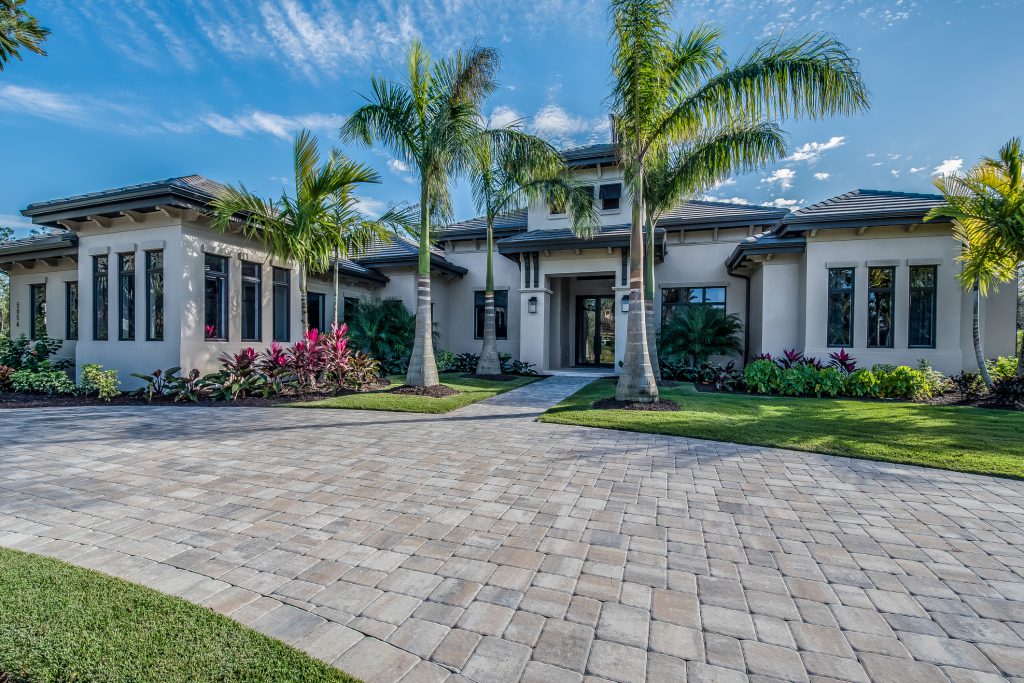
Stucco is the dominant exterior finish on homes throughout Simi Valley, Thousand Oaks, Westlake Village, Calabasas, and Hidden Hills. It fits the region’s Mediterranean climate and can hold up well for years, but it does have specific vulnerabilities that other materials don’t.

Rain, wind, and intense sunlight all work against your exterior paint. UV rays break down paint’s molecular structure, leading to fading, chalking, and degradation, while temperature fluctuations cause paint to expand and contract, weakening its adhesion and creating conditions for cracking and peeling.
Stucco is also porous by nature, which means it absorbs paint differently than wood or vinyl siding. When prep work is skipped- no pressure washing, no crack repair, no proper priming- the result often looks fine for the first year and starts falling apart in year two. The problems below are the ones Martin Carabajal Painting sees most often on stucco homes throughout Ventura County and the parts of Los Angeles County we serve.
Problem 1: Peeling and Blistering Paint
Peeling is the most visible sign that something went wrong with either the application or the wall itself. According to Sherwin-Williams, exterior paint peeling is frequently caused by interior moisture migrating through to exterior walls, painted surfaces too close to bare ground, leaking roofs, or painting a surface that was damp with rain, condensation, or dew.
Specifically for stucco, the material’s porosity makes this worse. If paint blisters, peels, or refuses to adhere to the stucco surface, moisture is almost always the underlying issue. When water becomes trapped beneath the paint layer, it creates outward pressure that causes coatings to fail. Painting over the symptom without fixing the moisture source just delays the failure and makes the next repair more expensive.
Before exterior house painting begins, the wall should be pressure washed and fully dried. At Martin Carabajal Painting, Day 1 of an exterior project is dedicated to pressure washing and letting the surface dry completely. Any sources of water intrusion, such as failing caulk around windows, cracked trim, or drainage problems close to the foundation, need to be resolved before a single coat of paint goes on.
Problem 2: Cracks That Get Painted Over
Cracks are stucco’s most common complaint, but not all cracks are created equal. Hairline cracks, less than 1/16-inch wide, are usually minor surface issues that can be sealed with elastomeric caulk and covered with paint. Wide cracks of 1/4-inch or larger tell a different story: they often signal structural movement or moisture problems that need professional attention before any painting begins.
The mistake many homeowners encounter, and that some contractors make, is coating straight over the crack. Paint alone will not bridge a significant crack in stucco. Water will still work its way in, and within a few months, that crack will reappear through the new paint.
On homes in the Simi Valley and Thousand Oaks area, settling and seasonal temperature swings are normal. Small cracks happen. Catching them before exterior house painting starts and addressing them properly is what separates a long-lasting paint job from one that needs to be redone in three years. During Martin Carabajal Painting’s prep day, the crew scrapes peeling paint, sands rough areas, caulks all gaps, and completes minor stucco repairs before touching a paint can.
Problem 3: UV Fading and Chalking
The Southern California sunshine is one of the best things about living in Simi Valley, Thousand Oaks, or Westlake Village. It is also one of the hardest things on your home’s exterior.
As exterior paint weathers, the binder, which holds the pigment and coating together, begins to degrade under UV exposure and moisture. As the binder wears away, pigment particles are released, and that powdery residue appears on your hand when you run it across the wall. That powdery substance is called chalking, and it is a clear sign that the paint film is no longer protecting the stucco beneath it.
As binders break down under prolonged UV exposure, the paint film becomes brittle and loses its elasticity. This leads to cracking, flaking, peeling, and a chalky residue on the surface. Once the paint film is compromised in this way, moisture begins to penetrate, accelerating deterioration and potentially damaging the underlying wood, stucco, or siding.
South- and west-facing walls receive the most direct sunlight throughout the day and typically show UV damage sooner than north- or east-facing surfaces on the same home. If you notice that one side of your house is fading faster, this is why.
For exterior house painting that holds up under the Southern California sun, paint selection matters as much as preparation. High-quality acrylic latex products formulated with UV resistance last considerably longer than budget-grade options. Chalking is most often seen in arid, sunny climates. While some chalking is expected over time as pigments are exposed to weather, serious cases are usually caused by using the wrong product, either interior paint or low-quality exterior paint that contains a high degree of extenders.
Problem 4: Mold and Mildew on the Walls
If you spot green, black, or gray patches of mold or mildew on your stucco, it is a sign of ongoing moisture problems. Stucco is a porous material, and if it is not properly sealed or maintained, it can absorb water. Regular inspections and stucco repair and painting help prevent microbial growth from becoming a health hazard.

Painting over mold without treating and cleaning the surface first is a common mistake. The mold will grow back through the fresh paint, usually within one season. The correct approach is to clean and treat the affected area, address the moisture source (often a drainage issue, damaged caulking, or overgrown plants pressing against the wall), and then re-prime and repaint with an appropriate product.
Exterior house painting on a surface with active mold should never occur without first treating the mold. Skipping it wastes money and creates a problem that the next contractor will have to deal with all over again.
Problem 5: Contractors Who Skip the Prep Work
This problem does not show up on the wall on the first day. It shows up six months later.
The pattern in Ventura County looks like this: a homeowner schedules exterior house painting, gets a low quote, and the job gets done quickly. The house looks clean for a while. Then the paint starts peeling near the windows. A crack opens up where nothing was ever caulked. Color fades unevenly on the west-facing wall.
These issues almost always trace back to skipped preparation. Flaking paint begins with hairline cracks and worsens over time if left unaddressed. Paint cracking and flaking are frequently caused by poor surface preparation, specifically painting over bare surfaces without priming, or over surfaces that already show signs of cracking or flaking. Painting over cracked paint is a bad idea; it is important to remove any flakes from the surface before repainting.
A properly executed exterior house painting process on a stucco home includes:
- Pressure washing the entire exterior and allowing full drying time, typically 24 to 48 hours
- Scraping all peeling paint and sanding rough areas
- Caulking gaps around windows, doors, trim, and stucco cracks
- Spot-priming bare or repaired areas before any topcoat goes on
- Applying two full coats of premium exterior paint
Skipping any of these steps can cut the life of an exterior paint job in half.
How Long Should Exterior House Painting Last on a Stucco Home?
Given California’s strong sun and diverse climates, the average expectation for a house exterior repaint is every seven to ten years when quality materials and thorough prep work are used.
Stucco holds paint longer because its texture hides wear and holds the coating better than wood siding, typically around 7 to 10 years with good prep and materials.
If your last exterior house painting job is fading, cracking, or peeling before that window, something in the process was cut short, likely the prep, the materials, or both.
Chalking, cracking, or fading are clear signals your home needs a new coat before more serious damage sets in. Waiting longer rarely saves money. Paint that has stopped protecting the stucco allows water to get in through cracks and around unsealed joints. Once moisture is inside the wall, mold develops. Wood trim rots. At that point, the repair costs will keep adding up.
What a Proper Exterior House Painting Process Looks Like
Martin Carabajal Painting has completed more than 2,000 exterior projects across Simi Valley, Thousand Oaks, Westlake Village, Calabasas, Hidden Hills, and the surrounding communities in Ventura and Los Angeles counties, backed by 272+ Google and Yelp reviews and a 2-year written labor warranty.
Every exterior project starts with a full on-site inspection before a single number is written on an estimate. The crew looks for cracks, signs of moisture damage, peeling areas, rotted wood trim, and spots where caulking has failed. Repairs happen before painting starts. The five-day process covers pressure washing and drying, complete surface preparation and crack repair, two coats of premium paint, trim and detail work, and a final walkthrough with the homeowner.
Martin stays personally involved in every project, inspecting the work, communicating daily, and ensuring the job is completed from start to finish before moving on. That reliability is something homeowners in this area repeatedly mention in reviews. For a closer look at the process for homes in this region, read more about professional home painting in Simi Valley.
With proper preparation and top-quality paint, a home typically requires exterior house painting every seven years, and on stucco, quality preparation and materials push that lifespan toward the higher end of the range. The investment in doing it right the first time is almost always less than dealing with peeling, moisture damage, or mold a few years later.
If your stucco home is showing signs of fading, cracking, peeling, or mold, or if you simply want to know where things stand before any of that becomes a problem, Martin Carabajal Painting will come to your property and give you a straight, honest assessment. Our on-site estimates are free, and what we quote is what you pay. No surprises. When you’re ready to protect your home’s exterior the right way, schedule your free consultation with our team. Call Us Now! 805-819-2205